
Effective Shrub Trimming Timing
Ideal for shaping and removing dead or damaged branches before new growth begins. Usually performed just as buds start to swell.
Used for maintenance and shaping, especially after flowering. Helps control size and encourages fuller growth.
Performed to prepare shrubs for winter, removing dead or weak branches. Timing depends on local climate conditions.
Suitable for dormant shrubs, mainly for shaping and structural pruning when plants are inactive.
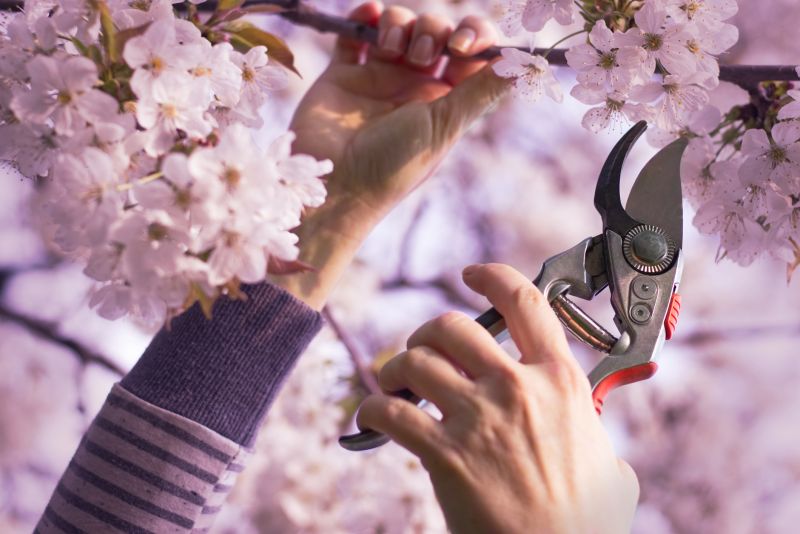
Pruning during early spring encourages healthy growth.

Maintains shape and promotes flowering.
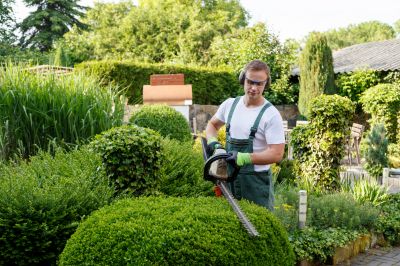
Prepares plants for winter dormancy.
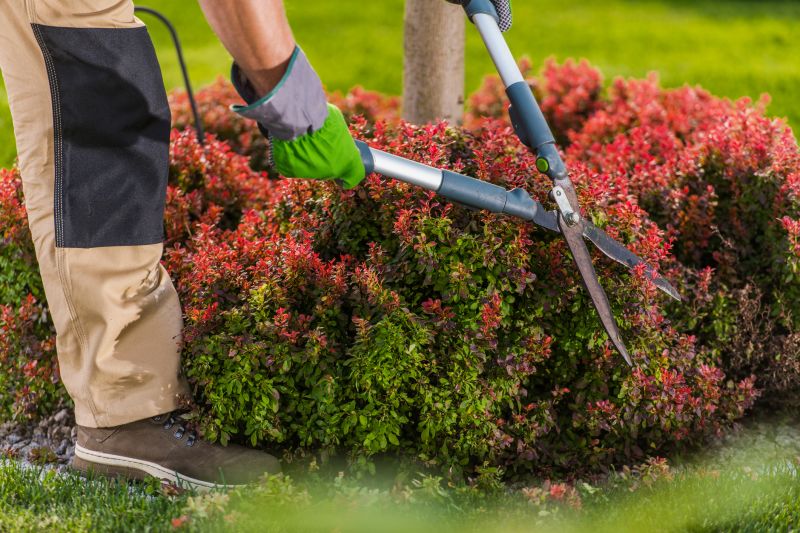
Dormant pruning for structure.
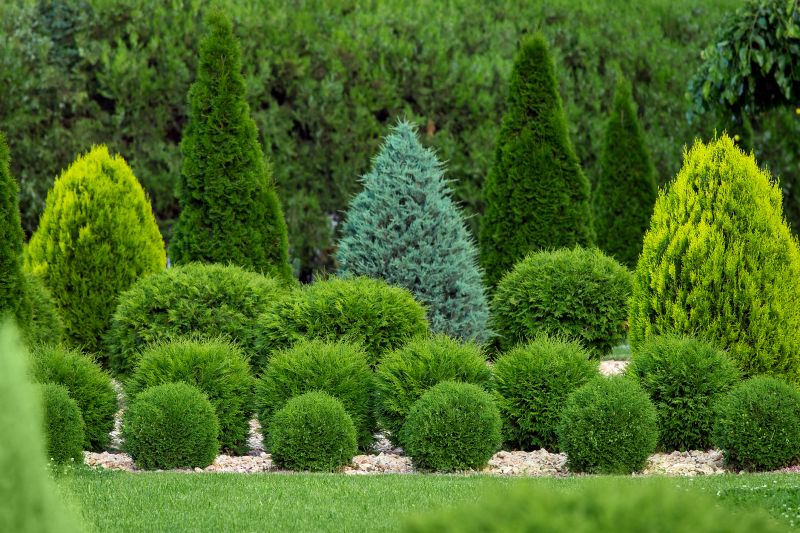
Ways to make Shrub Trimmings work in tight or awkward layouts.
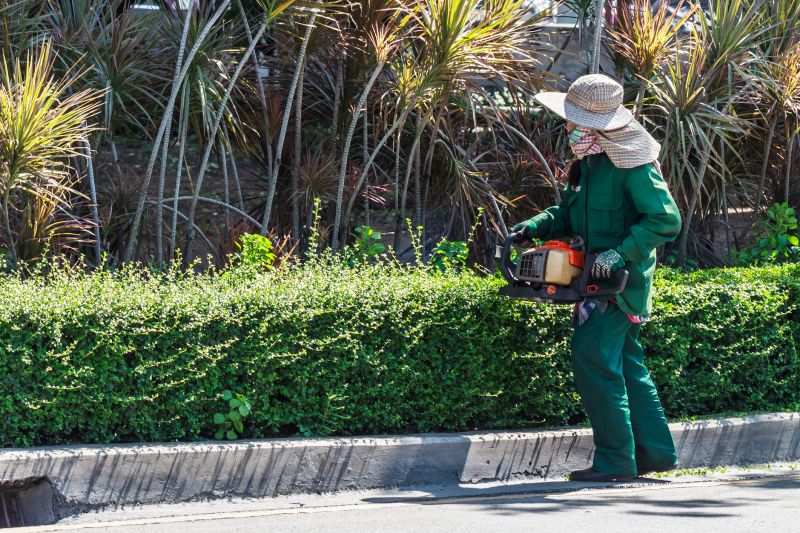
Popular materials for Shrub Trimmings and why they hold up over time.
| Shrub Type | Best Trimming Time |
|---|---|
| Deciduous Shrubs | Early spring before new growth |
| Evergreens | Late winter to early spring |
| Flowering Shrubs | Immediately after flowering |
| Spring-Flowering Shrubs | Late winter or early spring |
| Summer-Flowering Shrubs | Late spring or early summer |
| Dwarf Shrubs | Late winter or early spring |
| Large Ornamental Shrubs | Depending on growth cycle |
Shrub trimmings play a vital role in maintaining healthy and attractive plants. Proper timing can influence flowering, growth rate, and disease resistance. Regular trimming removes dead, diseased, or crossing branches, promoting better air circulation and light penetration. Additionally, trimming can help control size and shape, making shrubs more manageable and visually appealing.
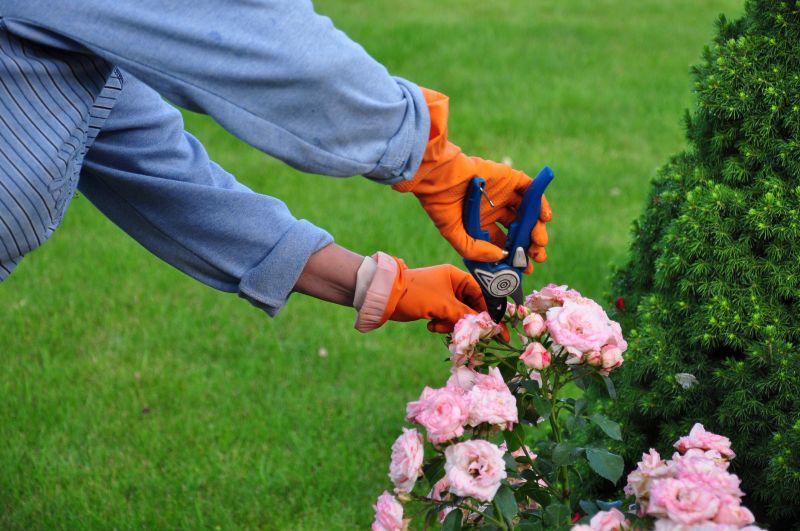
Proper tools are essential for effective shrub trimming.
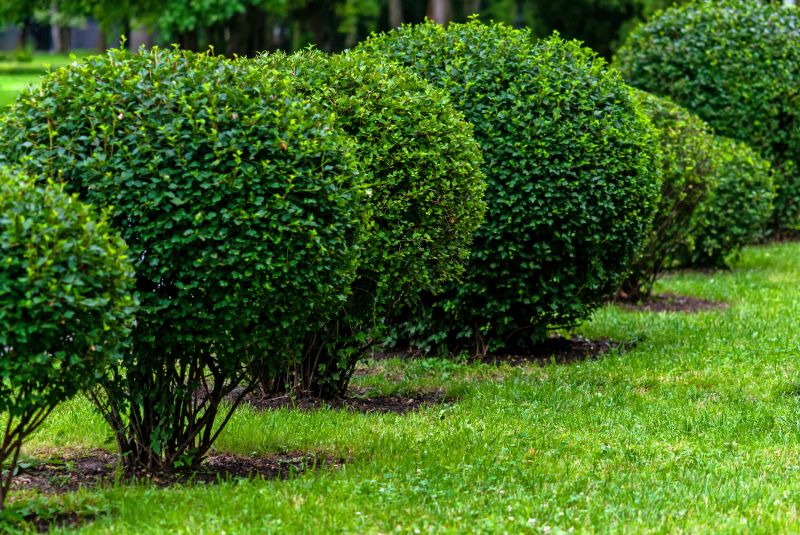
Well-maintained shrubs display vigorous growth.
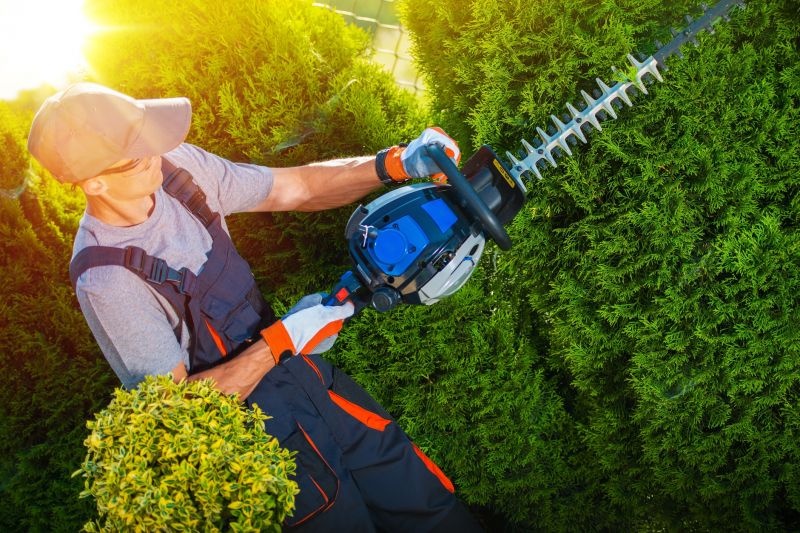
Professional trimming techniques improve plant health.
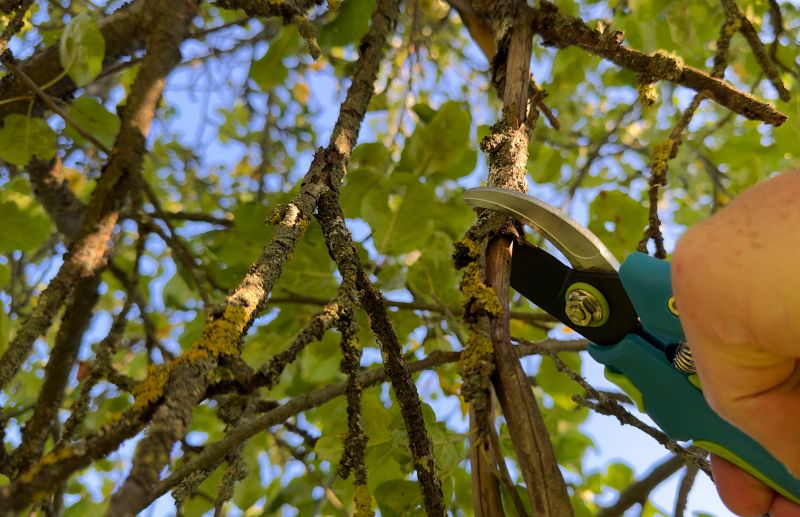
Clean cuts help prevent disease.
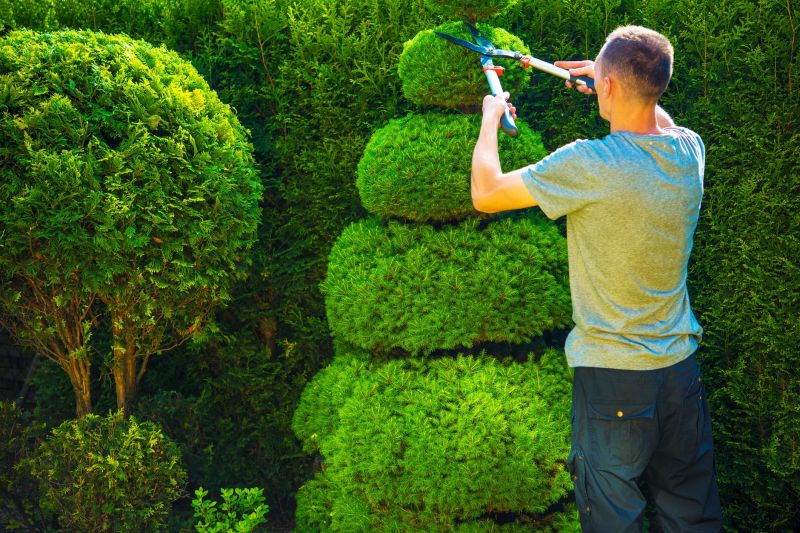
Simple add-ons that improve Shrub Trimmings without blowing the budget.
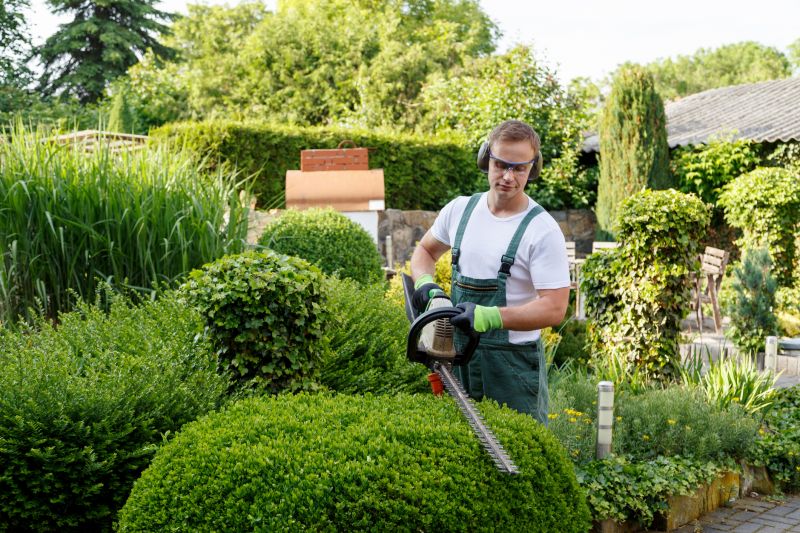
High-end options that actually feel worth it for Shrub Trimmings.
Finishes and colors that play nicely with Shrub Trimmings.
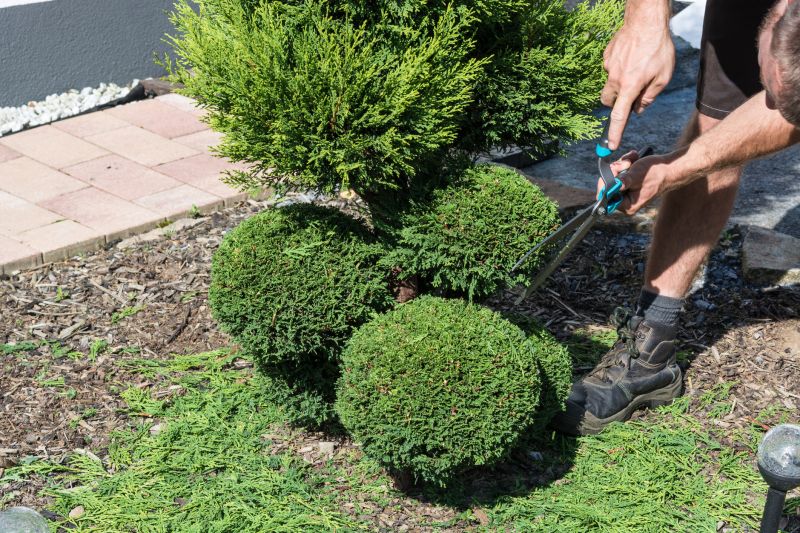
Little measurements that prevent headaches on Shrub Trimmings day.
Timing and technique are critical components of shrub trimmings. Incorrect timing can lead to poor flowering or increased vulnerability to pests and diseases. For example, pruning spring-flowering shrubs right after bloom allows for proper growth but may reduce next year's flowers if done too early or late. Understanding the specific needs of each shrub type ensures optimal results.
Enhances flowering, growth, and plant health.
May cause poor flowering and disease susceptibility.
Use sharp, clean pruning shears or saws for best results.
Experts can determine the ideal timing for each shrub.
Interested in professional shrub trimmings? Filling out the contact form can connect property owners with experienced landscapers who understand optimal trimming schedules tailored to local climate and plant varieties. Proper trimming not only improves appearance but also supports long-term plant health and vitality.